Cottage Food Laws in Every State, Explained in Plain Language
Selling food from your own kitchen shouldn't take a law degree.
Popular: California Texas Florida Labeling guide
Start with your state
Every rule shifts at the state line: the permit, the sales cap, the label wording and where you can sell. Open yours for the current rules and the official source behind each one.
All 50 states and DC are live. 23 are fully verified against a primary source; the rest are published with any unconfirmed detail flagged on the page. Want to see them side by side instead? The cottage food laws by state comparison puts the registration, inspection, training, sales cap, allowed-foods and online selling answer for all 51 jurisdictions in one table.
You want to sell your jam, your cookies or your granola at the market, not lose three weekends decoding which permit, label and sales cap your state asks for.
This library reads your state's statute and lays the real rules out in plain words, so you can see what it takes and get back to baking. We read each state page against its own statute and stamp the date we checked.
All 51 jurisdictions reviewed through July 17, 2026.
Where most people start
The three pages readers open first: the ordered path to a legal sale, the labeling rules and the tool that checks a food against your state's list.
 Start here guide
How to start, step by step
The ordered path from "which permit do I even need" to your first legal sale, with a link to every state's page.
Read the guide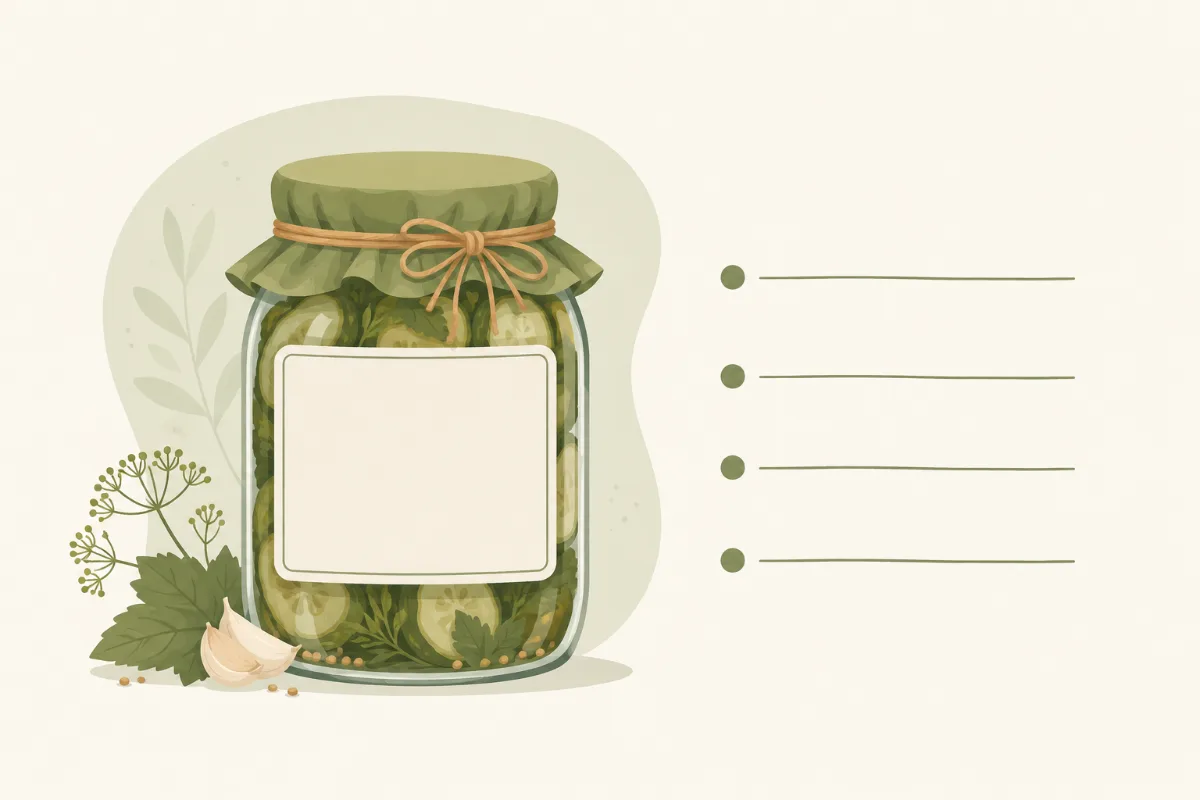 Labeling reference
How to label homemade food
The elements every label needs, the exact disclosure wording and the small slips that get products pulled from a table.
Open the reference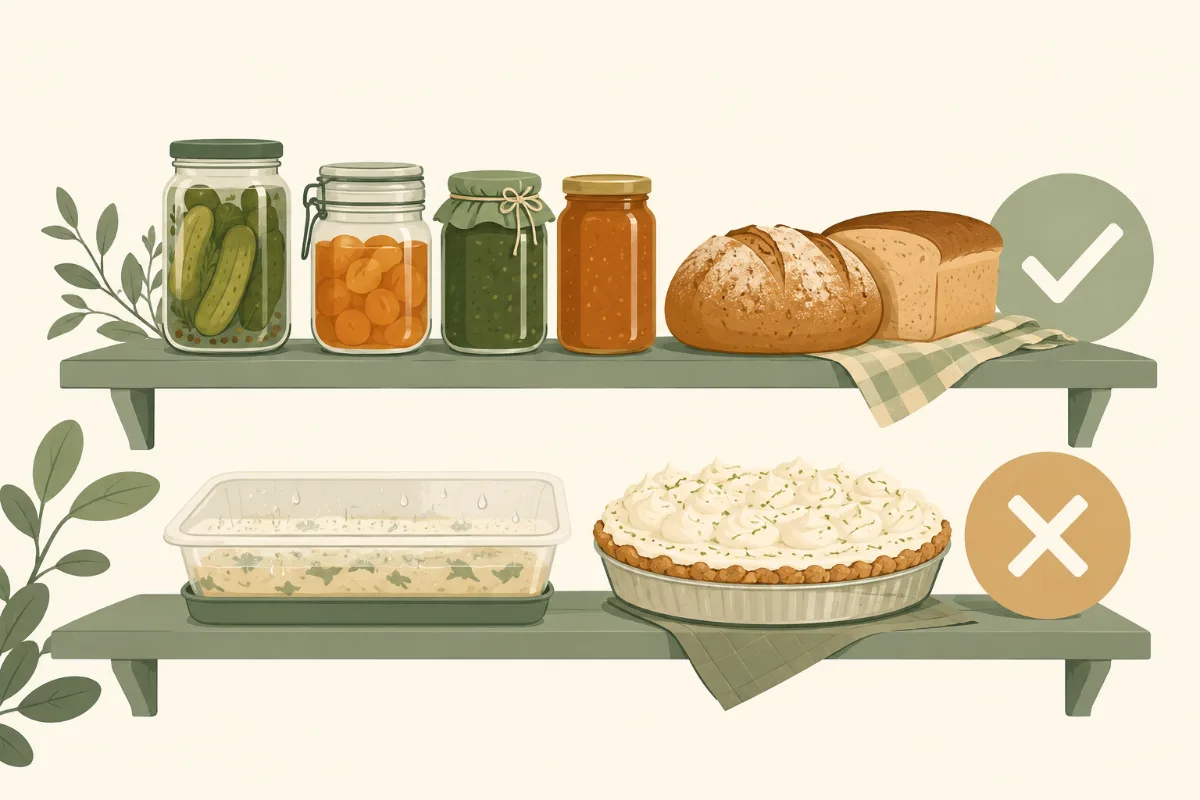 Free tool
Can I sell this?
Check a food against your state's allowed and prohibited lists before you bake a batch for the market.
Use the toolGuides and references
Short, plain-language reads for the parts that trip people up, plus the running log of what changed.
How to start, step by step
The ordered path from "which permit do I even need" to your first legal sale, with a link to every state's page.
ReadDo you need a license?
The 17 states that require nothing, the states that want a registration or permit and how to tell which one is yours.
ReadWhat a license costs
Free in most states. Where a fee exists it is usually $30 to $100. The full cost-by-state table in one place.
ReadHow to label homemade food
The elements every label needs, the exact disclosure wording and the small slips that get products pulled from a table.
ReadHow to price what you make
A simple way to set a price that covers ingredients and your time and still sells at the market.
ReadRecent law changes
The dated changelog of cottage food law updates, state by state, as legislatures pass them.
ReadWhat is a cottage food law?
A cottage food law lets you make certain foods in your own home kitchen and sell them to the public without renting a commercial kitchen or holding a full food establishment license. Every US state has its own. Each state decides which foods qualify, how much you can earn in a year, what your label must say and where you are allowed to sell.
Because the rules are set state by state, the answer that is correct in one state can be wrong one border over. This library keeps a current page for your state so you work from your state's own statute instead of a forum thread written for somewhere else.
This site organizes and explains what each state's law says in plain language. It is educational information, not legal advice. Confirm the current rules with your state and county before you sell. Read the full explainer.
Why this library exists
A small team keeps this library current. We built it because the honest answer to "can I sell this?" sat buried across agency PDFs and contradicting forum threads, none of them written for your state. No single page told you the truth for your own state.
Every rule here gets read straight from the state statute or the agency that enforces it, then dated on the page and re-checked on a set schedule. When a legislature changes a law, we log it in the changelog and update that state's page.
The library stays free because a plain-language reference to the law should not sit behind a paywall. If a state page ever drifts from the current rules, that's a mistake we want to fix, fast. Here is how we verify every page.

From the team behind this library
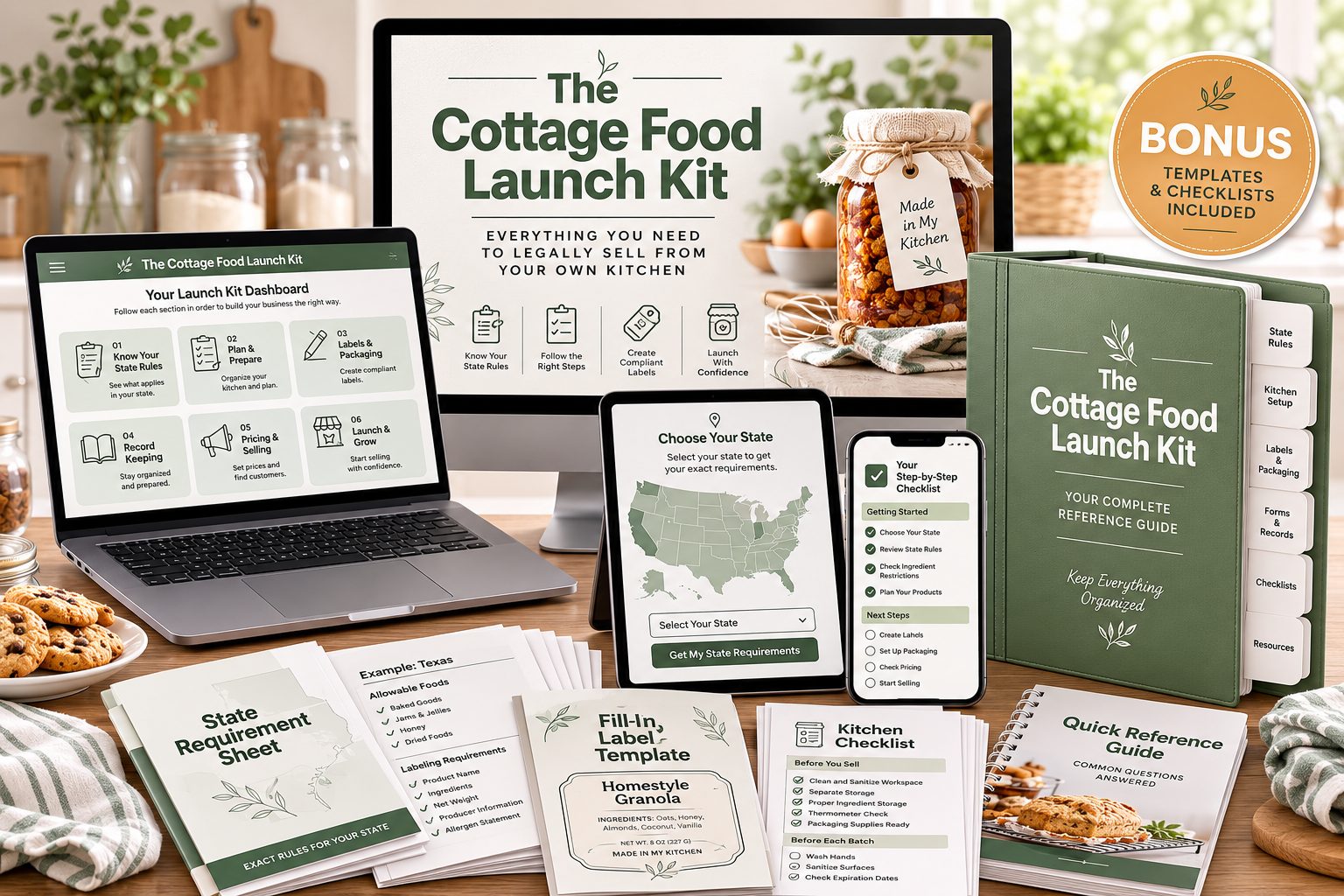
The Cottage Food Launch Kit
Your state page tells you what the law requires. The kit hands you the done pieces for your state: the ordered checklist, the state requirement sheet, the allowed-foods checker, a fill-in label tool ready to use and the first-market plan, so you follow one ordered path instead of piecing it together.
Recent law updates
State legislatures rewrite these rules every session. Here are three we are tracking. One is already in effect. Two are passed and waiting on the date they start.
-
In effect September 1, 2025Texas · In effect
SB 541 tripled the sales cap to $150,000 and opened the allowed-foods list
Senate Bill 541 raised the annual gross income cap from $50,000 to $150,000, set it to adjust for inflation and let cottage producers sell most foods not on the prohibited list, including refrigerated foods once registered with DSHS. Live on the Texas page now.
-
Takes effect January 1, 2027Colorado · Passed, pending
HB 26-1033 raises the cap to $150,000 and adds refrigerated and meat foods
Colorado will lift the annual limit from $10,000 per product to $150,000 and let producers sell refrigerated and meat products for the first time, with a new registration and food-safety step for temperature-controlled foods. Passed; we update the page the day it takes effect.
-
Takes effect November 1, 2026Oklahoma · Passed, pending
The Local Food Freedom Act lifts the cap to $250,000
Oklahoma renames its law the Local Food Freedom Act and raises the annual sales cap from $75,000 to $250,000, one of the highest ceilings in the country, while keeping the labeling and food-safety training rules. Passed; we update the page the day it takes effect.
Ready to check your own state?
Open your state page for the permit, the sales cap, the label wording and where you are allowed to sell, each with the official source behind it.